
Walk into any Indian home,
Coffee or Chai: Which One Is Best? –
, or roadside stall and you’ll find the same timeless debate: coffee or chai? Some people cannot start their morning without a strong cup of coffee, while others believe that a hot cup of chai is the ultimate comfort drink. Both beverages have loyal fans, deep cultural roots, and unique health benefits.
So, which one is actually the best? The answer is not as simple as choosing a winner. It depends on your lifestyle, health goals, taste preferences, and even the time of day. In this article, we’ll compare coffee and chai in terms of taste, caffeine content, health benefits, drawbacks, productivity, and overall experience to help you decide which beverage deserves the top spot in your daily routine.
The Cultural Connection
Chai: More Than Just a Drink
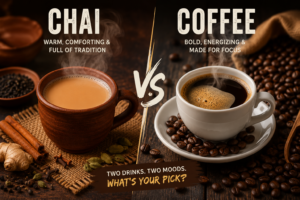
In India, chai is not just a beverage—it is an emotion. From morning family conversations to evening tea breaks with friends, chai is woven into daily life. Masala chai, ginger chai, cardamom chai, and countless regional variations make it incredibly versatile.
Chai is often associated with warmth, hospitality, and connection. Offering a guest a cup of tea is a tradition that symbolizes welcome and comfort.
Coffee or Chai: Which One Is Best?
Coffee: The Drink of Focus and Energy
Coffee has a different identity. It is commonly linked with productivity, creativity, and ambition. Students, entrepreneurs, professionals, and writers often turn to coffee when they need concentration or a burst of energy.
The café culture around coffee has also made it a symbol of meetings, remote work, and modern lifestyles.
Taste Comparison
Chai
- Rich and aromatic
- Sweet and spicy (especially masala chai)
- Creamy when made with milk
- Comforting and soothing
Coffee
- Bold and robust
- Bitter with deep roasted flavors
- Can be enjoyed black or with milk
- Wide range of flavor profiles depending on the beans
If you enjoy spices, sweetness, and a comforting flavor, chai may be your favorite. If you prefer strong, roasted, and slightly bitter flavors, coffee is likely the better choice.
Caffeine Content
One of the biggest differences between coffee and chai is the amount of caffeine they contain.
| Beverage | Average Caffeine |
|---|---|
| Coffee (1 cup) | 80–120 mg |
| Chai (1 cup) | 20–60 mg |
Coffee contains significantly more caffeine than chai. This means coffee can provide a stronger energy boost and improve alertness more quickly.
Chai offers a milder and more balanced stimulation, making it a better option for people who are sensitive to caffeine.
Health Benefits of Coffee
Research has shown that moderate coffee consumption can have several health benefits.
Improved Mental Alertness
Caffeine stimulates the central nervous system, helping improve:
- Focus
- Concentration
- Reaction time
- Memory performance
Rich in Antioxidants
Coffee is one of the largest sources of antioxidants in many people’s diets. Antioxidants help protect the body from oxidative stress and cellular damage.
Better Physical Performance
Caffeine can increase adrenaline levels, which may improve endurance and athletic performance during exercise.
Potential Long-Term Benefits
Several studies suggest that moderate coffee consumption may be associated with a lower risk of:
- Type 2 diabetes
- Parkinson’s disease
- Alzheimer’s disease
- Certain liver conditions
Health Benefits of Chai
Chai is often made with black tea and spices such as ginger, cardamom, cinnamon, cloves, and black pepper, each of which has its own benefits.
Supports Digestion
Ginger and cardamom can help:
- Reduce bloating
- Ease indigestion
- Improve gut comfort
Anti-Inflammatory Properties
Spices used in chai contain natural compounds that may help reduce inflammation in the body.
Gentle Energy Boost
Because chai contains less caffeine, it provides a smoother increase in energy without the intense spike and crash that some coffee drinkers experience.
Hydration and Comfort
A warm cup of chai can be soothing during cold weather, illness, or stressful moments, making it excellent for relaxation.
The Downsides
Coffee Drawbacks
Too much coffee may cause:
- Anxiety
- Restlessness
- Insomnia
- Increased heart rate
- Acid reflux in some individuals
People who consume multiple cups throughout the day may also develop caffeine dependence.
Chai Drawbacks
Traditional Indian chai is often prepared with:
- Full-fat milk
- Sugar
- Multiple servings per day
Excess sugar and high-calorie preparations can reduce its health benefits. Sweet chai consumed frequently may contribute to weight gain and increased sugar intake.
Productivity: Which One Helps More?
Choose Coffee If:
- You have an early morning meeting
- You need to study for long hours
- You’re working on a deadline
- You need maximum alertness
Choose Chai If:
- You want a relaxing afternoon break
- You’re socializing with friends or family
- You need light mental stimulation
- You’re trying to reduce caffeine intake
For intense productivity, coffee usually has the advantage because of its higher caffeine content.
Which Is Better for Weight Loss?
Coffee or Chai: Which One Is Best? –
Both beverages can fit into a weight-loss diet if prepared wisely.
Black Coffee
- Very low in calories
- Can temporarily increase metabolism
- May reduce appetite for some people
Unsweetened Chai
- Lower caffeine
- Spices may support digestion
- Can be relatively low in calories if made with minimal milk and sugar
The real issue is added sugar and cream. A sugary latte or heavily sweetened chai can contain a surprising number of calories.
The Emotional Factor
This is where chai often wins.
Coffee is usually associated with performance, while chai is associated with comfort.
Think about the situations:
- Rainy evening → Chai
- Family gathering → Chai
- Long office project → Coffee
- Early morning workout → Coffee
- Relaxing on the balcony → Chai
Many people do not drink chai because they need energy; they drink it because it creates a feeling of home, warmth, and pause.
Can You Drink Both?
Absolutely.
In fact, many nutrition experts recommend moderation rather than elimination.
A balanced approach could be:
- Morning: Coffee for energy and focus
- Afternoon or evening: Chai for relaxation and digestion
This allows you to enjoy the strengths of both beverages while avoiding excessive caffeine intake.
The Final Verdict
So, coffee or chai—which one is best
Coffee or Chai: Which One Is Best? –
The truth is that there is no universal winner.
Choose coffee if you want:
- Strong energy
- Better focus
- Higher caffeine
- Productivity support
Choose chai if you want:
- Comfort
- Better digestion
- A gentler caffeine effect
- A culturally rich and soothing experience
If we judge purely by energy and performance, coffee comes out ahead.
If we judge by comfort, tradition, versatility, and everyday enjoyment, chai takes the crown.
Perhaps the best answer is this: Coffee fuels your goals, while chai nourishes your moments. The smartest choice is not necessarily coffee or chai—it is knowing when each one serves you best.
Whether you’re a dedicated coffee enthusiast or a lifelong chai lover, the perfect cup is the one that fits your mood, your body, and your lifestyle. And for many of us, there is room in life for both.